Clear, purposeful learning starts with clear learning outcomes.
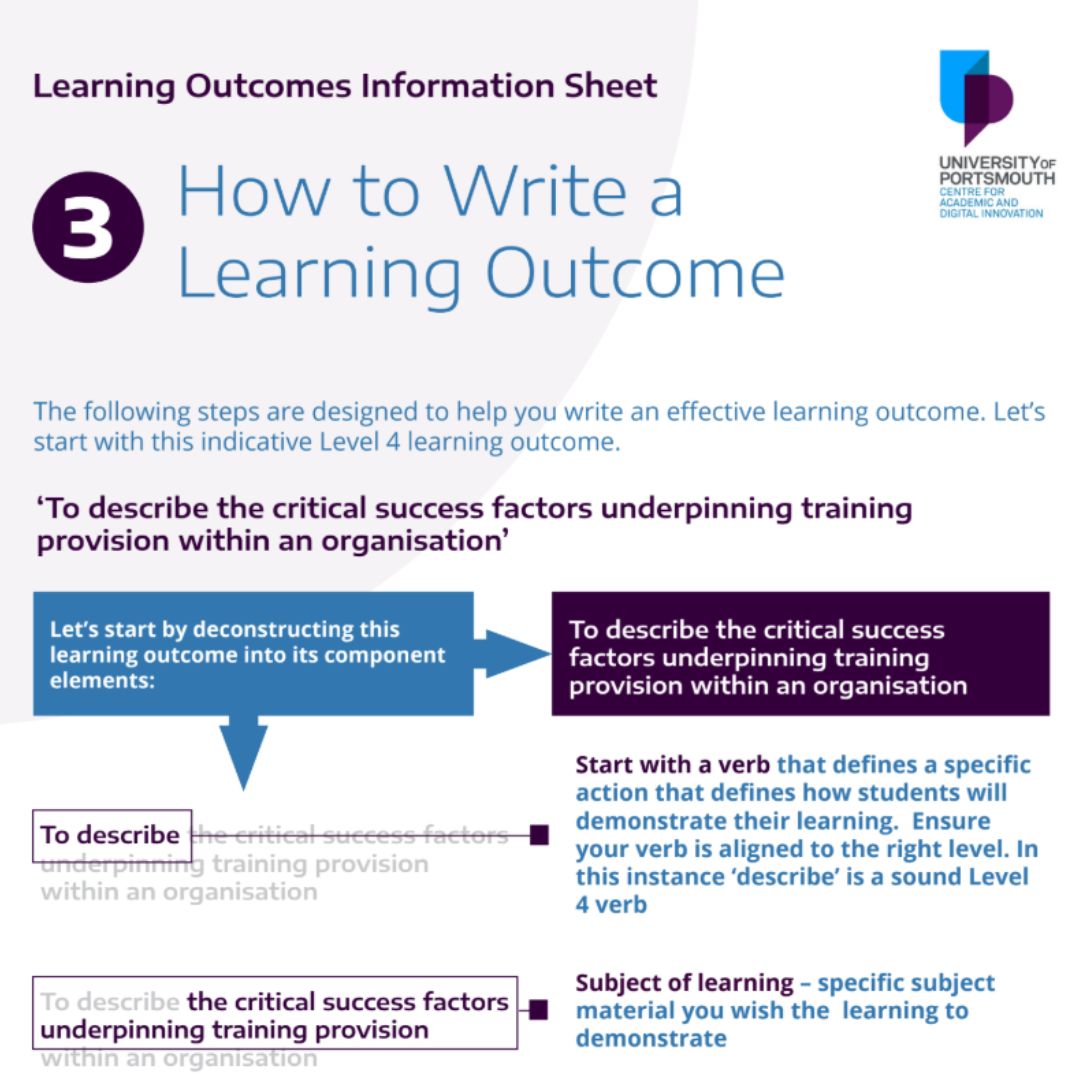
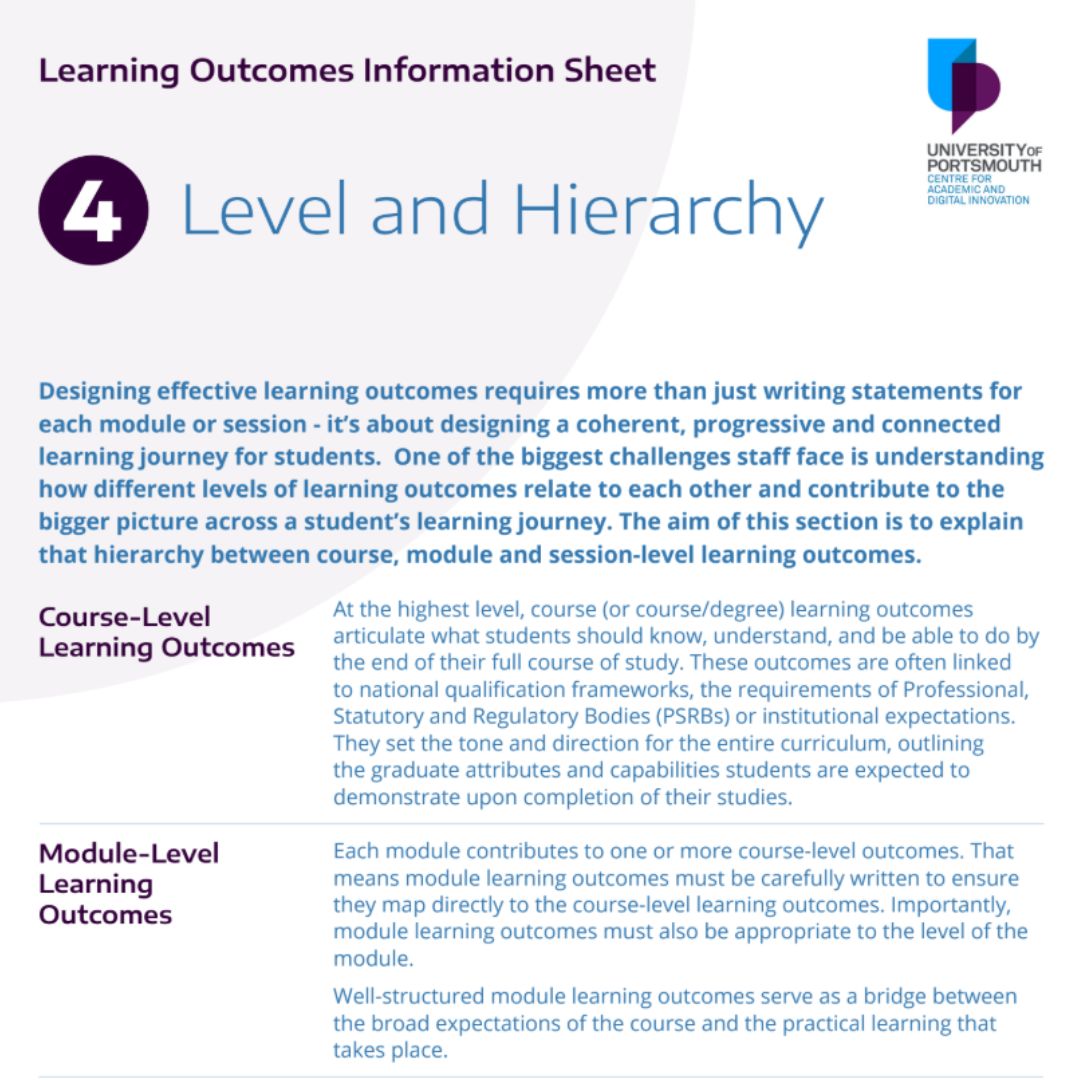
Learning outcomes describe what students will be able to do, demonstrate, or apply by the end of a learning experience. They shift the focus from what we teach to what students achieve, helping to create coherent learning journeys where teaching, learning and assessment all point in the same direction.
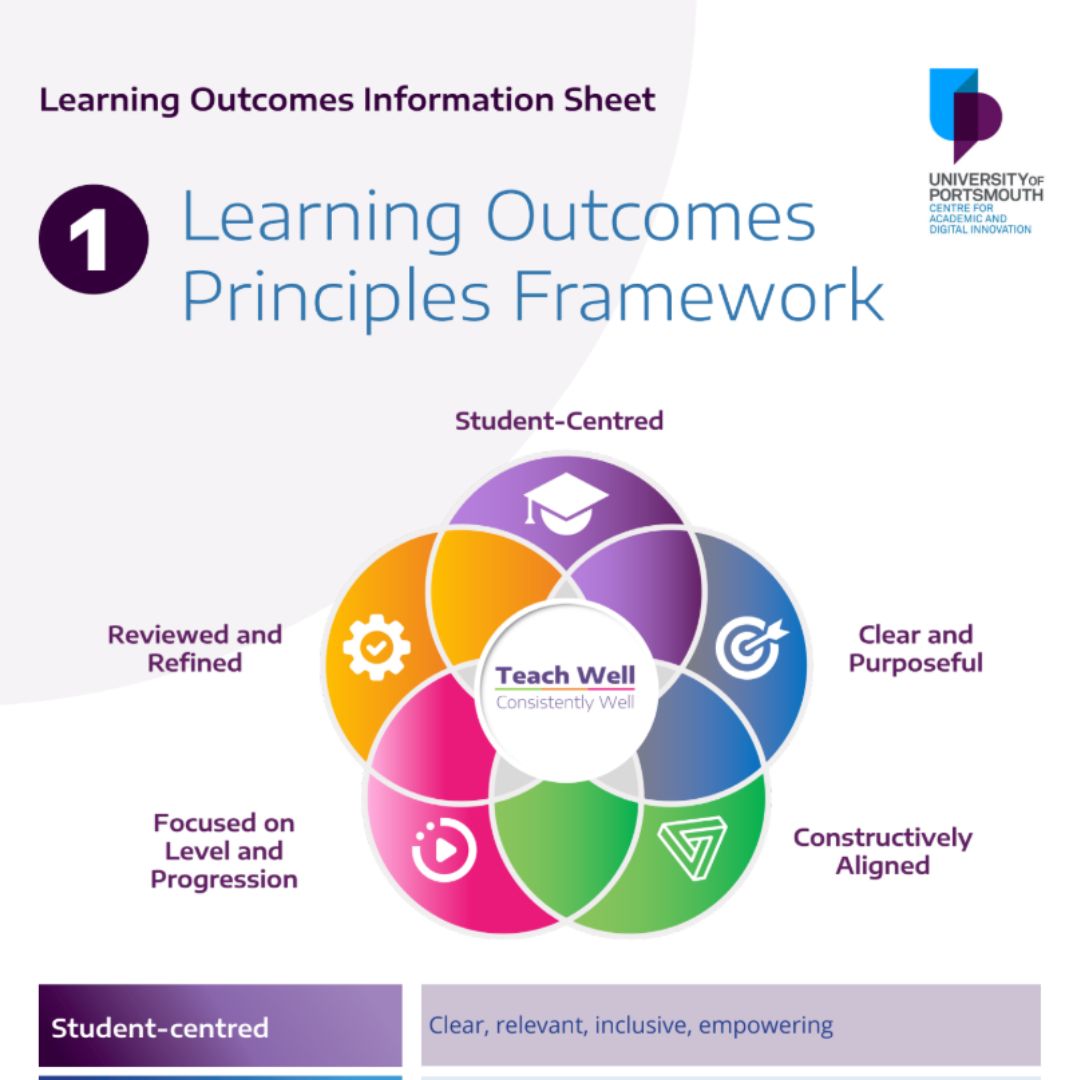
The new CADI guide introduces five core principles for writing effective learning outcomes. These principles are not rigid rules but helpful anchors for thinking through structure, level, alignment, inclusivity and clarity. Whether you're writing new outcomes or reviewing an existing module, these principles will help you craft statements that are specific, achievable and genuinely useful for both you and your students.
Most importantly, this guide is here to build confidence. Learning outcomes shouldn't be mysterious or intimidating, they should empower educators to design engaging, authentic learning experiences and empower students to understand where they're going and why.
The Five Principles of Effective Learning Outcomes
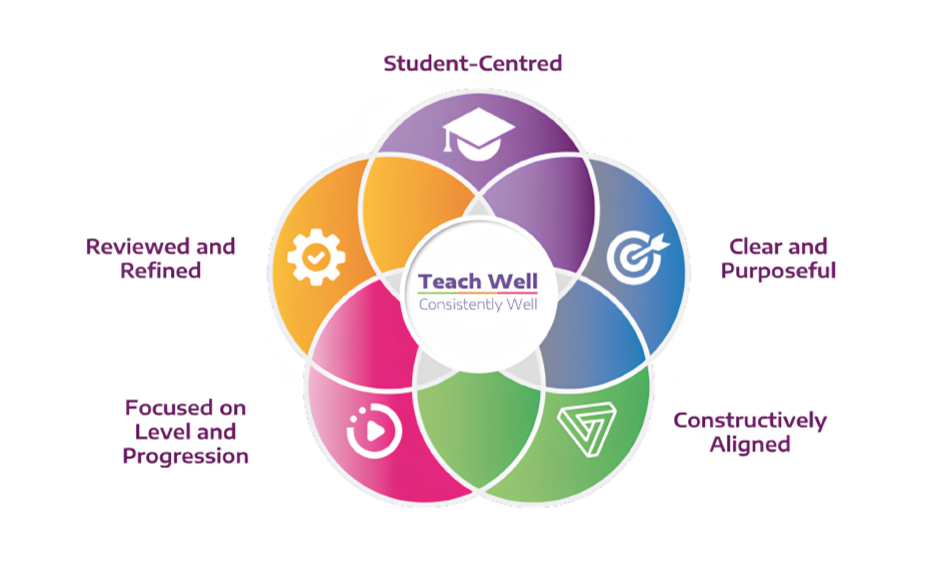
Student-Centred
- Relevant, inclusive and meaningful to learners and their goals.
Clear and Purposeful
- Focused, specific and measurable so expectations are easy to understand.
Constructively Aligned
- Directly connected to teaching activities and assessment tasks.
Focused on Level and Progression
- Appropriately challenging and scaffolded across levels of study.
Reviewed and Refine
- Regularly evaluated an updated to remain effective and relevant.
Why This Matters
Learning outcomes are more than just administrative requirements or tick-box exercises. When used well, they help clarify expectations, guide assessment design, and shape meaningful, scaffolded learning journeys for our students. More importantly they are an important part of quality assurance processes and ensure a vital role in curriculum coherence, making sure that what we teach, how we teach it, and how we assess it all point in the same direction.